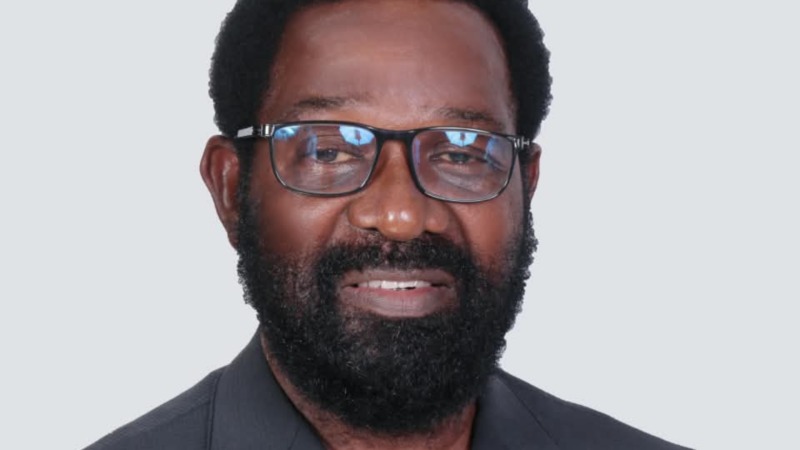
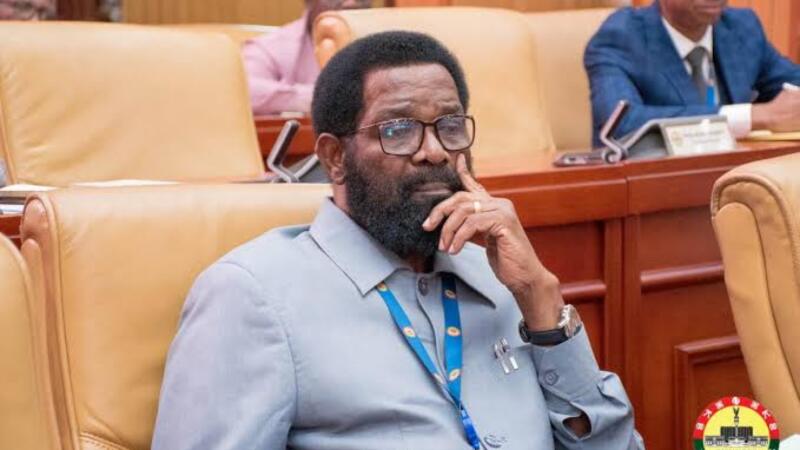
*ECOWAS Parliament Confronts Crisis of Citizen Safety as Deputy Speaker Condemns Killings and Xenophobia Across West and Southern Africa*
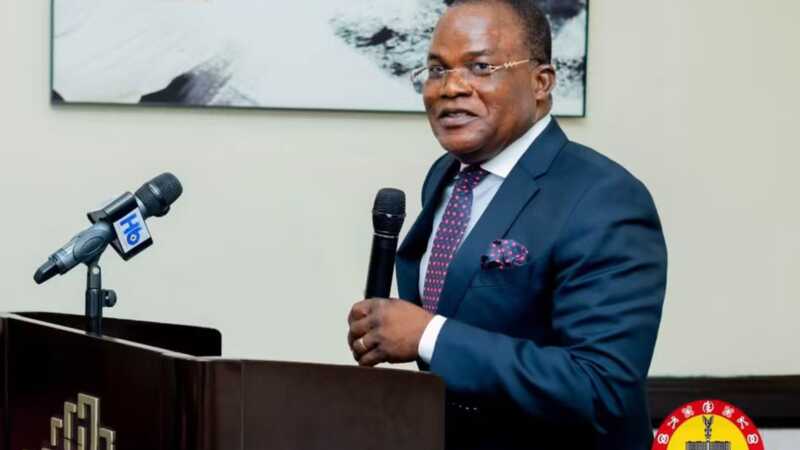
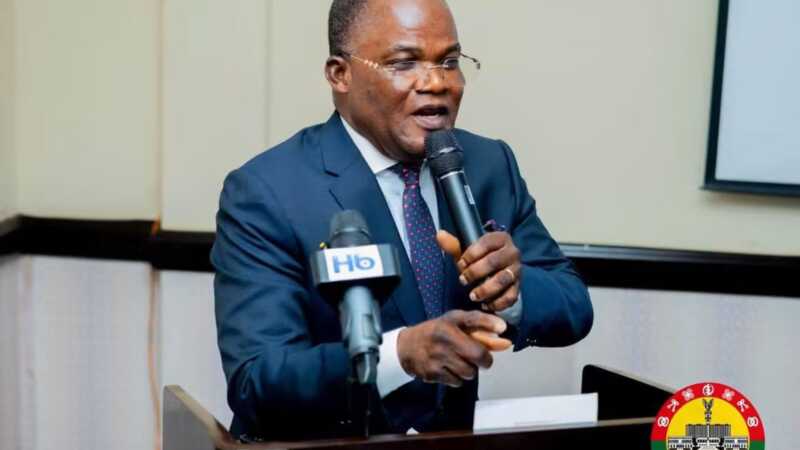
The ECOWAS Parliament opened its first ordinary session of 2026 under a shadow of grief and urgency on Monday, as Ghanaian delegate and Third Deputy Speaker Alexander Kwamena Afenyo-Markin delivered an impassioned intervention demanding immediate regional action over the killing of West African citizens in Burkina Faso and a wave of xenophobic violence in South Africa.
Invoking Rule 71 of the Parliament’s Procedure of Compensation, Afenyo-Markin told fellow lawmakers that the bloc’s founding promise of free movement and mutual protection is collapsing under the weight of insecurity and impunity.
“A regional community that cannot protect its own citizens in transit has not yet earned its name,” he said to a chamber that fell silent.
The most immediate trigger for his address was the February 14 ambush in northern Burkina Faso, where militants linked to an Al-Qaeda affiliate stopped a truck carrying 18 Ghanaian tomato traders along a key cross-border route.
According to Afenyo-Markin’s account, the attackers separated the men from the women, executed the men at close range, and then set the truck ablaze with the driver still locked inside.
“These were not statistics,” he said, his voice steady but weighted. “They were breadwinners, fathers and sons, the quiet engines of the regional supply chain that feeds our markets from Accra to Bamako.”
That attack, he argued, is part of a broader pattern of insecurity unraveling ECOWAS trade and movement corridors.
He cited the April 25 coordinated offensive in Mali that killed the country’s Defence Minister, an assault that has effectively cut off the Ghana-Mali trade route.
Ghana’s Foreign Ministry has since advised that it can no longer guarantee the safety of its citizens or other internationals traveling through the area, a statement Afenyo-Markin called “a damning indictment of our collective security architecture.”
The Third Deputy Speaker then turned to South Africa, where he said a spate of coordinated attacks in KwaZulu-Natal, Cape Town and Pretoria has left Ghanaians, Nigerians, Zimbabweans and Ethiopians killed, their shops looted and families displaced.
While he acknowledged President Cyril Ramaphosa’s public condemnation of xenophobia during Freedom Day commemorations, he dismissed it as insufficient. “Words delivered from a ceremonial platform do not arrest a single perpetrator,” Afenyo-Markin stated.
“We need dockets opened, charges laid, and prosecutions that proceed without political interference or delay.”
His critique did not spare ECOWAS itself. Nearly 47 years after the 1979 Protocol on Free Movement of Persons, Right of Residence and Establishment was signed, Afenyo-Markin said the reality at borders tells a different story. Citizens routinely face harassment, extortion and arbitrary detention at checkpoints, while some member states maintain national immigration laws that directly contradict community obligations.
“The daily reality of our citizens contradicts the promise at every turn,” he said. “We have built the framework, but we have not enforced the spirit of it.”
To move from rhetoric to remedy, Afenyo-Markin outlined five concrete proposals for the Parliament to adopt. First, he called for the creation of a special select committee dedicated to monitoring and responding to the safety of ECOWAS citizens abroad. Second, he urged members to pass a binding resolution reaffirming and operationalizing free movement protocol rights.
Third, he proposed a parliamentary action plan focused on border governance reform and training for officials. Fourth, he recommended transmitting formal statements of concern to both the South African Parliament and the African Commission on Human and Peoples’ Rights. Finally, he pressed for a regional mechanism to document and track attacks on ECOWAS nationals with quarterly public reporting.
The intervention drew murmurs of agreement from delegates across the chamber, reflecting growing frustration among parliamentarians that ECOWAS has struggled to translate economic integration goals into tangible security for ordinary citizens. Trade routes that once moved goods and people across 15 member states are increasingly threatened by jihadist insurgencies in the Sahel and by economic tensions that erupt into xenophobic violence further south.
Afenyo-Markin closed with a direct appeal to the Parliament’s mandate. “The safety of our people must never be a matter open to devastation,” he said. “If we cannot guarantee the right of a Ghanaian trader to drive to Mali, or a Nigerian student to study in Pretoria without fear, then what is the meaning of this community?”
The session is expected to debate the proposals this week, with several delegations signaling support for an emergency resolution.
Report by pKB