*POOR NETWORK SERVICES IN GHANA: A DAILY FRUSTRATION*
For millions of Ghanaians, getting through a single workday, lecture, or family call without a dropped connection has become the exception, not the rule.
From Accra’s business districts to farming villages in the Upper West, unreliable internet and mobile services are disrupting lives and slowing the country’s digital ambitions.
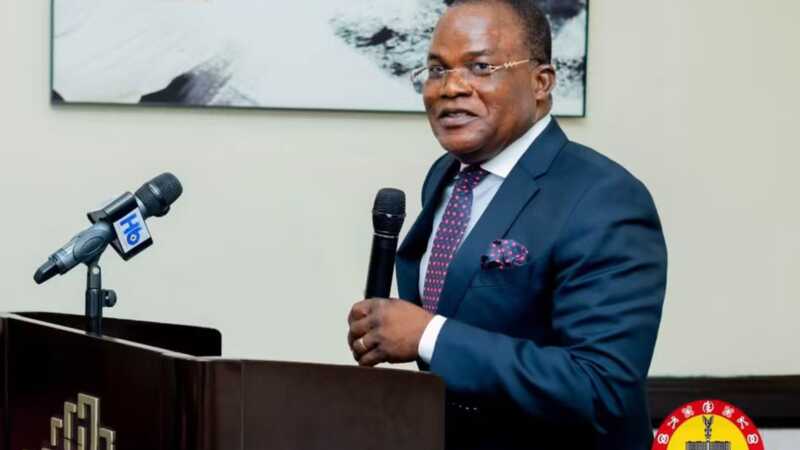
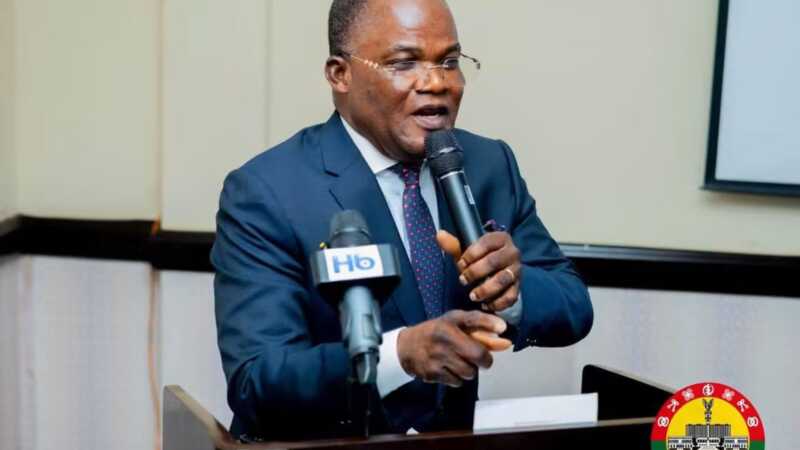
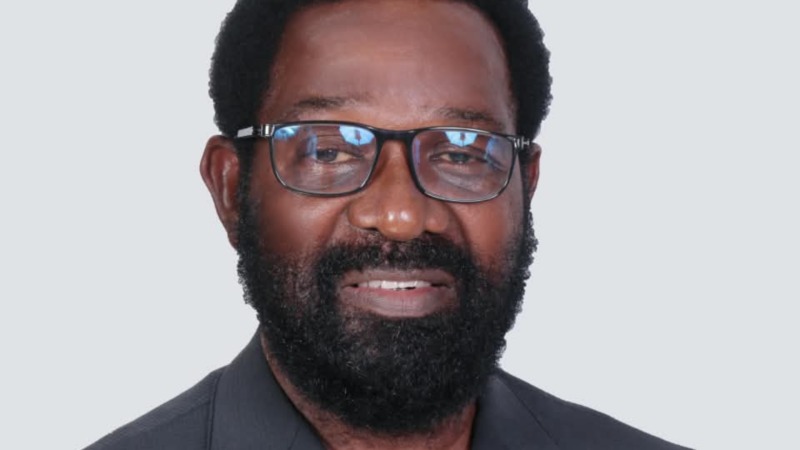
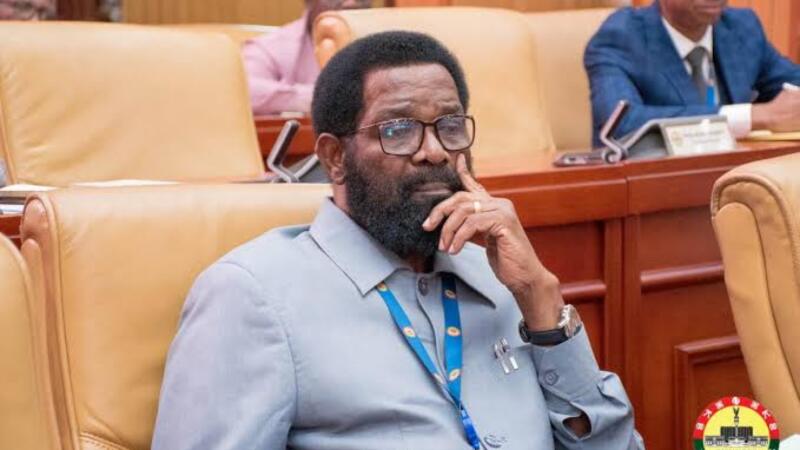
In a statement signed by the former member of parliament for Tano South, Hon Dr Benjamin Yeboah Sekyere stated that,
across Ghana, users report the same cycle: weak signal bars, calls that cut off mid-sentence, mobile money transactions that hang and fail, and data bundles that drain while pages refuse to load.
According to him, students trying to join virtual lectures or submit assignments often miss deadlines due to unstable connections.
“I sometimes have to walk 20 minutes to the nearest hill just to get one bar for my online exam,” said Ama Mensah, a level 300 student at KNUST.
He added that, small businesses are hit directly in the pocket.
Failed MoMo payments and delayed confirmations mean lost sales and frustrated customers.
He further explained that, for traders at Makola and Kejetia markets, even a 10-minute network outage can mean missing a supplier or a client.
Remote workers and professionals face constant interruptions during Zoom calls and cloud-based work.
The result is missed opportunities and reduced productivity in a sector Ghana has been pushing to grow.
The frustration is compounded by cost. Data and call tariffs in Ghana remain among the higher rates in West Africa, yet users say the value they receive does not match what they pay.
Many consumers report buying 10GB bundles that barely last three days under normal use, with speeds throttling to unusable levels during peak hours.
This creates a situation where households budget heavily for connectivity that fails to deliver on education, work, and communication needs.
Rural communities bear the brunt. In areas of the Northern, Savannah, and Oti regions, network coverage is either absent or limited to 2G/3G signals. That restricts access to digital banking, telemedicine, e-learning platforms, and government services that are increasingly moving online.
The gap between Accra, Kumasi, and Takoradi on one side, and rural towns on the other, continues to widen. Without reliable coverage, digital inclusion remains out of reach for a large portion of the population.
The former Ahafo Regional Deputy Minister noted that,
Telecommunication companies have played a role in expanding Ghana’s digital footprint over the last decade. Investments in 4G and the recent rollout of 5G in parts of Accra show progress. But coverage and consistency lag behind the marketing.
The National Communications Authority sets quality-of-service standards, but enforcement has been inconsistent.
Consumers and industry observers are calling for stricter monitoring, public reporting of network performance by region, and penalties for providers that repeatedly fall short.
Experts argue that reliable connectivity should be treated as critical infrastructure, similar to roads and electricity.
Without it, Ghana’s goals for a digital economy, e-governance, and youth employment in tech will remain constrained.
Dr Yeboah Sekyere demands to Ghanaians are that,
Better coverage and reliability in both urban and rural areas.Transparent reporting on network performance,
affordable data that reflects actual speeds and uptime
And stronger regulatory action when standards are not met
“Reliable network services are not a luxury anymore,” Dr. Sekyere notes. “They are the backbone of education, healthcare, business, and national development.
Report by PKB